Showing posts with label Wordless Wednesday. Show all posts

Wednesday, September 18, 2019

Almost Wordless Woof Woof Wednesday

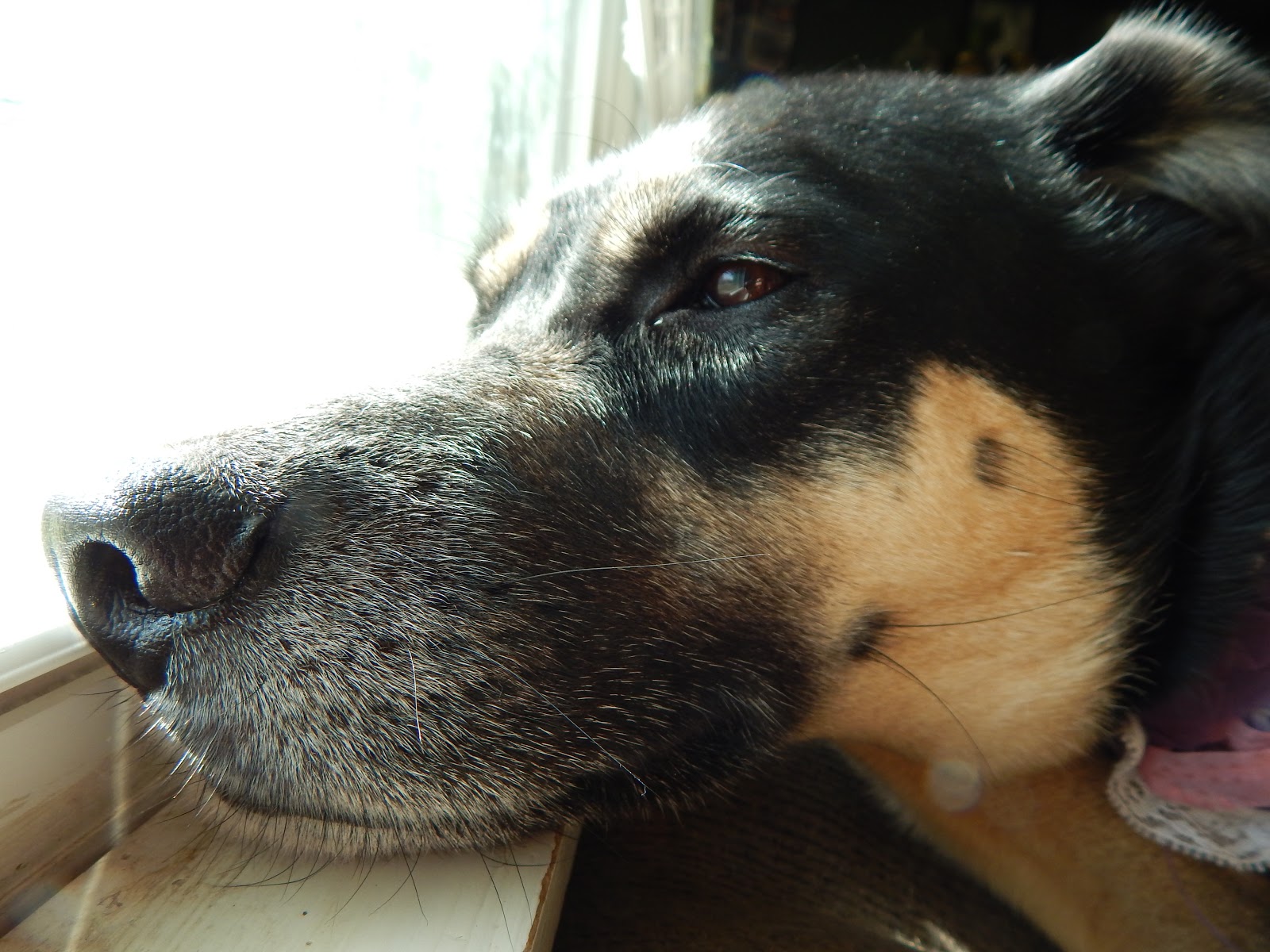
Oh look, a pouty puppy in a window on a Wednesday. Big surprise, huh?


Astrid is wishing you all lots of window whiffies!


***
Doodle of the Day


***
Did you know?
Did you know that study findings have led experts to often compare the intelligence of dogs to that of 2-year-old human children? It is believed that, similar to a 2-year-old child, the average dog has the ability to learn and respond to roughly 200 words. Of course, this can vary from dog to dog, and can be dependent on breed, overall personality, and of course how much training the dog receives.

Don't worry, all you kitties out there. We're certainly not leaving you out or demeaning your intelligence. The truth is that studies on feline intelligence are not quite as easy, in no small part because cats simply have a different social structure and overall level of interest than dogs. Plenty of cats in the world have learned tricks and have proven the intelligence of their kind in a variety of ways. What's more, findings from some studies have led to conclusions that cats may have better and longer memories than dogs, and that cats might have an overall higher level of cognitive function.

Wednesday, June 5, 2019

Almost Wordless Woof Woof Wednesday


***
Doodle of the Day:

Here's another random doodle I scribbled up for a challenge I'm doing with a small group of writers I know. I don't even know how to explain this one, so I'll just drop it here and hope you guys don't mind looking at it.


***
Did you know?
Did you know that dogs and cats are not truly, completely color blind? It is believed that dogs see color mostly in the yellow region of the color spectrum, and some believe that cats might see color in that same way. Some research suggests that dogs and cats see in a way similar to people who are red-green color blind, which means they have difficulty distinguishing between red and green. Dogs and cats certainly don't see color to the extent that humans do, but it is likely not true that they cannot distinguish any colors at all. Their world isn't completely devoid of color.

Wednesday, March 6, 2019

(Almost) Wordless Wednesday


***
Our Doodle of the Day:


***
Our Tip of the Day:

Next up in our National Pet Poison Awareness Month series of tips is a quick discussion on rodenticides. We rather recently mentioned these, but we'll mention them again for this month of poison prevention. These chemicals, meant to kill mice, rats, and other rodents, are dangerous all around. Depending on the type of poison, rodenticides can cause any number of potentially fatal side effects, such as internal bleeding or acute kidney failure. Ingesting the rodenticide itself is of course one way in which your furbaby can be poisoned. In addition to this, though, if a rodent ingests the rodenticide or walks through it, and then your furbaby gets a hold of that rodent, the poison can also pass into your furbaby's system this way.

To be safe, simply try to avoid the use of rodenticides completely. If rodenticides are being stored or used in your home, garage, garden, or other areas, though, absolutely ensure that your cat or dog cannot reach them. Also monitor your furbabies if you think rodents are in your house and a rodenticide is being used, to ensure your cat or dog does not catch or eat a rodent that has been poisoned. Severe side effects can result from rodenticides, for both the rodents, your furbabies, and even wildlife. So, please do all that you can to avoid their use.

Wednesday, January 23, 2019

(Almost) Wordless Wednesday


***
Our Doodle of the Day:


***
Our Tip of the Day:

Though we're more than a tad bit late in the season to give this tip, we're going to give it nonetheless. Today's tip relates to the furnace, and we want to remind you to have a professional inspect your furnace before use every year, or as needed. An inspection could help detect any issues that might make running the furnace a risk. This in turn of course gives you the chance to have any necessary repairs or replacements made, so that neither your furbaby nor yourself are put in unnecessary danger.

Also relating to the furnace, don't forget to replace the filter regularly. A clean filter not only allows the furnace to run optimally, but also helps eliminate allergens, dust, and other such debris from the air. Ensuring ideal air quality with a clean furnace/air filter is something to especially take into consideration if your furbaby, or yourself, has asthma or other respiratory issues, The furnace plays a crucial role for your furbaby and yourself on cold winter days, so don't forget to give it the care and attention it needs.

Wednesday, December 19, 2018

Sweater Weather


***
Our Sweater Weather Doodle of the Day:


***
Our Tip of the Day:

Our past couple of tips covered what you can do to keep your furbaby happy and safe if you are traveling during this holiday season. On the other hand, what if your family is coming to your house for the holidays? First, as we've said many times before, practice door safety when guests are coming and going. If need be, block your kitty or pup's access to the door, or give them a safe room in which to stay. Consider whether your guests are staying for a short or long visit, and consider your individual furbaby's personality and behaviors when determining if, how often, or for how long they can safely intermingle with guests.

Of course, it isn't just your furbaby you have to worry about when guests arrive. Make sure that all guests know any important rules when it comes to your furbaby. If your kitty or pup is staying in a safe room while guests visit, for example, then make sure guests know if they are to refrain from visiting that room in the house. On the other hand, if your furbaby is a social butterfly and is out and about with guests, make sure that your guests understand what they should and should not do to keep your kitty or pup safe. For example, make sure guests are aware of the potential for escapes if the door is kept open. In addition, guests should know whether you allow your furbaby treats, and what human foods are dangerous and should not be fed to your kitty or pup. Also take safety precautions if guests are staying overnight. For example, make sure guests know to keep all medications or other potentially dangerous items well out of reach of resident cats and dogs.

It is possible for your house to be inhabited by both your furbabies and guests during this holiday season. At the same time, it's also important to make sure that all precautions are made to ensure that guests' stays are safe for everyone, including the furbabies of the home. So, simply think ahead, and prepare both your furbabies and guests for a safe Christmas.

Wednesday, June 13, 2018

Nearly Wordless Wednesday


Is that cozy, Astrid? Really? Talk about a lip lift.


***
Our Doodle of the Day:


***
Our Tip of the Day:

We are still discussing the ins and outs of bringing home a new cat or dog. Today's tip in this series offers some ideas on how to get a new furbaby acclimated to their new family and home. Especially when it comes to shy kitties or pups, be sure to be patient in helping them get to know you. In order to allow a shy or nervous cat or dog to learn to trust you or other family members, frequently visit with them or sit with them, and perhaps even give them an item or two of your clothing. Offer them food and sit with them while they eat, or offer them treats or toys if that does not stress them. Talk to them soothingly, or even read them a book. Make such visits with them are calm, and always watch for cues that a furbaby is feeling nervous or stressed. Over time, if you remain patient and calm, a new furbaby who is nervous or shy can indeed learn to trust you.

It is not just you or other family members that a new furbaby will have to grow accustomed to, though. Every home and family has its own set of sights and sounds to which a new cat or dog will have to become acclimated. Think of the typical goings-on of your household, and, as needed, help your new furbaby become used to the new sights and sounds by slowly and calmly introducing them to new stimuli. Just as a couple of examples, some furbabies may have to get used to the sound of garbage bags or the sight of an open umbrella. Of course, don't bombard a new cat or dog with new sights and sounds all at once, but, as always, have patience and help them to acclimate to these things slowly over time.

That all being said, introducing a new cat or dog to other animals takes especial care and patience. Slow and proper introductions are of course best for both new and resident cats and dogs. We will further discuss these topics in the very near future.

Wednesday, May 16, 2018

Not So Wordless Wednesday

If you were hoping for yet another shot of a pouty puppy gazing out the window, you're in luck.


Happy Wednesday, friends!


***
Our Doodle of the Day:

When I shared my doodle of Evan as a mercat on Monday, I mentioned that today you'd be seeing a mermaid pup. So, with pup Astrid as my victim model, here it is:


Weird, huh?


***
Our Tip of the Day:

As a followup to yesterday's tip on how to keep your furbaby cool if they are outdoors in the heat, we're here today to specifically talk about those walks you and your furbaby might take this summer. Especially on those days with extreme heat, it is safest to either limit or cut out walks, or to take them only when the day is at its coolest. For example, a very early morning walk or a late evening walk would be far safer than a walk in the middle of the day, when the sun is at its highest and hottest. If a walk or bathroom break outdoors is necessary for your pup or kitty on a hot day, do consider taking a water bottle along to help keep your furbaby hydrated and cool.

It's not just the heat of the air that you have to consider with regard to summer walks, though. Pavement can reach literally burning hot temperatures in the summer sun. While us humans typically wear shoes to protect our feet, paw pads are exposed and can indeed be burned during exposure to hot pavement. If touching the pavement with your own hand leads you to conclude that it's burning hot, then indeed take that into consideration. This is one reason why it is incredibly important to plan walks and outdoor adventures accordingly during the summer months. If your pup or kitty does need to go outdoors in the extreme heat, and especially if the pavement feels hot to you, then try to avoid the pavement and instead head straight for the grass. Or, for those furbabies who will tolerate it, protective booties can be placed on the feet to keep them safe against the hot pavement.

In the summer, just as always, it's always better to be safe than sorry. That might mean skipping a walk on a scorcher or a day, or changing your walking schedule so that your furbaby is outdoors only when it is cooler. Always do what is best for your furbaby's health and safety.

Wednesday, May 9, 2018

Nearly Wordless Wednesday


***
Our Doodle of the Day:

Today's doodle in remembrance of my sweet Rosie is all about showcasing how my bed was, in fact, her bed. Indeed, Rosie slept on my bed nearly every single night. I just slept wherever I could fit.


***
Our Tip of the Day:

Today's wildlife tips is about those bright-eyed, bushy-tailed rodents we so often seen running about. That is, squirrels. As we've all certainly witnessed, squirrels are not all that particular when it comes to what they'll put in their mouths. They are pretty resilient, but that doesn't mean we should throw any and every food out there for them. For example, bread and starchy foods are not the best diet choice for squirrels, especially when moldy. Even peanuts and corn are not all that ideal for them, again, especially when moldy. Of course, human junk food is also not a great option.
So, if you want to throw some snacks out for the squirrels, such as to enhance that Squirrel TV, try to offer them some foods that are a bit healthier for them. What, then, are some potential foods you can offer squirrels as healthy snacks? Tree nuts are one option, such as walnuts, pecans, hazelnuts, and hickory nuts. Vegetables can also be just as healthy for squirrels as they are for us, and some good options for squirrels include carrots, broccoli, and zucchini. Another option is fruit, such as apple, strawberries, and grapes. So, while squirrels may not be picky when it comes to food, if you wish to offer them some choices, there are some healthy ones you can try. Then, you and your furbabies can enjoy a healthy episode of Squirrel TV!

Wednesday, March 28, 2018

Another Window Wednesday


***
Our Doodle of the Day:


***
Our Tip of the Day:

Today's National Pet Poison Awareness Month tip is an add-on to our tip from yesterday, when we reminded you to keep doors closed and other obstacles in place to keep your furbaby safe from substances and areas with poison. Taking that one step further, if needed, child-proofing products can be your your best friend even for those furry children in your life. For example, do you have a curious kitty or puppy who has found ways to open cabinets and drawers? This can put a furbaby at risk, such as if those cabinets and drawers contain human medications, cleaners, or other toxic items, or even sharp or other dangerous objects. To prevent prying paws from opening cabinets and drawers, you can get child-proof, or pet-proof, locks that make cabinets and drawers difficult or impossible to open without dexterity, or opposable thumbs. There are also child-proof locks to keep main doors securely closed. This can come in handy if you have a kitty or pup who knows how to manipulate certain door handles.

We've mentioned this on here before, but also don't forget the usefulness of baby gates. They also make gates that are more specifically pet-proof, such as tall ones over which dogs and cats cannot easily jump. These can be used to block access to certain areas of the house to ensure your kitty or pup's safety. For example, you can use baby or pet gates to block access to the kitchen, especially if potentially toxic foods are being prepared. These gates can also be used to block off garbage cans, laundry areas, or other areas of the home where potential poisoning might occur.

Just as with a human child, our kitties and pups can get themselves into trouble. Consider all areas of the home where danger might arise, and then do your research on what you can do to best prevent emergencies from dangers such as accidental poisoning. Do your best to always be one step ahead of your kitty or pup, as difficult as that may be.

Wednesday, March 14, 2018

Almost Wordless Wednesday with a Photobomb


Can you see the photobomber?


***
Our Doodle of the Day:

Today is March 14th, otherwise known as Pi Day! You know, 3.14159 and all that jazz. Obviously, this mathematical goodness means we'll be having us some pie today.


Can you tell that this doodle was inspired by a certain deliciously adorable tortie? That's right, none other than Miss Mudpie herself inspired this Pi Day pie piece! We hope you don't mind, Mudpie. We just couldn't help ourselves!


***
Our Tip of the Day:
Today's National Pet Poison Awareness Month tip is about essential oils. There are a wide variety of essential oils on the market, and there are also a wide variety of reactions your furbaby might display if exposed to certain essential oils. Some essential oils can indeed be poisonous to our kitties or pups, kitties typically being especially sensitive to them. Depending on the type of oil and its concentration, exposure to and ingestion of an essential oil can lead to potentially serious side effects, such as vomiting, diarrhea, and difficulty walking, just to name a couple.

To prevent any accidental toxicity or emergencies, it might be best to simply prevent your furbaby from coming into contact with any essential oils, to ensure that your furbaby does not come into contact with one containing a toxic ingredient. This would mean refraining from putting essential oils on your kitty or pup, or placing essential oil diffusers anywhere near where your furbaby can reach. Also keep in mind that essential oils and their fragrances can also potentially cause respiratory irritation, with symptoms such as ocular discharge, nasal discharge, or signs related to asthma. When in doubt, keep essential oils, essential oil diffusers, and any other similar products well away from your furbaby, as their health and safety is not worth the risk.

Wednesday, February 21, 2018

Wordless Wednesday


***
Our Olympic Doodle of the Day:


***
Our Tip of the Day:
After our tips on offering your kitty fresh water and food, we're now here today to remind you to keep those water and food bowls nice and clean. When it comes to keeping bowls clean, do your best to steer clear of using plastic bowls, as these can most easily harbor bacteria and other microbes, especially in scratches that might be the result of claws or other use and abuse. Rather than plastic, go for bowls that are stainless steel, or even ceramic or glass. Even so, though, it is still important to clean any and all bowls often. Saliva, oils or grease, and other debris from food can lead to a dirty environment in a bowl, so even if you have stainless steel, ceramic, or glass bowls, do clean them often. Unclean bowls can lead to issues such as feline acne, or, in worst case scenarios, gastrointestinal or other serious conditions caused by dirty, spoiled remnants in a food or water bowl. So, though we're certain you all already know this, do be sure to keep those food and water bowls spick and span!

Wednesday, January 17, 2018

(Almost) Wordless Wednesday


***
Our Doodle of the Day:

Yesterday we posted a doodle of a special little version of Winnie the Pooh, in honor of tomorrow being Winnie the Pooh Day. I also mentioned at that point that, to be honest, my favorite Pooh Bear character is actually not the bear himself. I quite like myself some underdogdonkey.


Fun fact? I collect Eeyore dolls. I remember the Christmas, many moons ago, when I received a jumbo Eeyore doll. I was ecstatic. It now sits on a shelf above my bed, as creepy as that sounds.

Have a wonderful Wednesday!


***
Our Tip of the Day:
Did you know that, as a pet parent, baking soda can sometimes be your best friend? Though you of course don't want your pup or kitty consuming or breathing any large amount of substances such as baking soda, it is largely pet-safe when used wisely. That's just one of the reasons why it can come in quite handy for those who have pets.

We all love our furbabies, but we all might also perhaps admit that sometimes our furbabies don't leave things smelling their freshest. This is where baking soda can offer a bit of help, as it can work wonderfully as a deodorizer, as it can absorb smells like those related to our furbabies. One way to take advantage of this is to sprinkle some on your carpet or furniture, let it sit for roughly 10 or 20 minutes, vacuum it up, and thereby leave your floor and furniture smelling more fresh and clean. You can also do this in your car, such as if your pup or kitty takes a trip in there often and perhaps leaves it smelling a little, well, furry. Baking soda can also help keep your cat's litter box smelling more fresh, as you can sprinkle a small layer at the bottom of the litter box before you put the litter in, and it will thereby help absorb some of the odors.

There are also other potential uses of baking soda. For example, if you accidentally trim your pup or kitty's nail too short and hit the quick, thereby causing some bleeding, you can dip the bleeding claw in baking soda and apply pressure. This will cause the baking soda to form a paste with the blood, and thereby help it to clot. Cornstarch, flour, and styptic powder purchased from the drug store can also be used. With all of the wonders it can work, do be sure to keep some baking soda on hand.

Wednesday, January 10, 2018

(Almost) Wordless Wednesday


(I asked Astrid to please look at the camera, but she has selective hearing.)


***
Our Doodle of the Day:


***
Our Tip of the Day:
Especially in extreme weather, please do your best to be eyes and ears for the innocent and a voice for the voiceless. In other words, such as in freezing cold temperatures, keep watch for any animals who might be struggling or who might be the victims of abuse or neglect. If it is freezing cold and you see, hear, or suspect an animal living outdoors in unlivable conditions, such as without shelter, warmth, food, or water, please do what is in your ability to help them. If a kitty or pup appears to be a stray or feral who is struggling in the inclement weather, try to provide them with even temporary aid. If possible, you can trap them and help place them in a shelter or with a rescue group. Or, you can report their plight to someone who can assist them. Depending on the situation, you can contact animal control or an animal shelter or rescue that has the ability to help the animal. If you suspect an animal is living in unhealthy or dangerous conditions but does have an owner, such as if they are living in someone's back yard, garage, or other similar situation, then report this and contact help as soon as possible. This could include contacting the police if necessary, or animal control. Animals cannot speak for themselves, so if you believe you are witnessing any form of abuse, neglect, or difficult living, try to do what is in your power to help the furbaby in need.

Wednesday, January 3, 2018

A Tasty (Almost) Wordless Wednesday


Don't worry, Astrid didn't have to wait long before she got to gobble down her Christmas tree cookie!

This human is incredibly excited that the local pet store is still selling Christmas cookies for pups. Needless to say, Astrid now has a stash of festive cookies to enjoy over the final Twelve Days of Christmas.

Merry Tenth Day of Christmas!


***
Our Tip of the Day:
Don't forget those hairy toes! This time of year, especially if your furbaby goes outdoors, it is important to regularly check their toes for ice, packed snow, salt, and other debris that might find its way on those paws this time of year. Some pups and kitties have furrier feet than others, and as needed, long fur between the toes can be carefully trimmed in order to prevent the collection of ice, snow, salt, and other debris on their hairy toes. This is of course more of an issue for furbabies that go outdoors, but also be aware of the safety of your pup or kitty's feet if you track snow and anything else from the wintry outdoors into the home.

Wednesday, December 20, 2017

Wordless Wednesday: Waiting for Santa Paws


***
Our Festive Doodle of the Day:


***
Our Tip of the Day:
Though we're guessing you all don't need reminded of this, don't forget to include your furbabies in the Christmas festivities. Getting them gifts such as new toys is of course one way of doing this, as well as getting some new treats for your furbaby to try while you have your Christmas dinner. For those kitties out there, a fresh baggie of catnip, silver vine, or valerian root can make for lots of festive fun. You can even get little stockings in which to put treats and toys or paraphernalia, so that your kitty or pup can rummage through their very own stocking on Christmas morning. For those furbabies who are perhaps older or simply less active, a new bed, blanket, or even a new box to call their own can help make the holiday more fun and festive. Thinking outside of the box, though, you can also give gifts to shelter or rescue furbabies in your furbaby's name. If your furbaby already has plenty of new toys and treats in their happy forever home, then in their name you can opt to spread the love to an animal still awaiting their forever home. Stay tuned tomorrow for some ideas on what you can donate this Christmas to shelters and rescues!

Wednesday, December 6, 2017

Wordless Wednesday Snooze


***
Our Festive Doodle of the Day:

Black Cat Christmas: Day 2


***
Our Tip of the Day:
Yesterday we discussed some of the potential symptoms of heartworm disease. If your kitty or pup is showing signs of potential heartworm disease, or if you have any concern of the disease for any reason, of course schedule an appointment for them to be seen by their veterinarian as soon as possible. Discuss testing with the veterinarian, and of course ask questions as needed to understand the process. Keep in mind that there is a relatively simple heartworm blood test for dogs. It is recommended that this testing be done at least annually, or as needed. That being said, testing for heartworms is not as easily done in cats. We will discuss this a bit further tomorrow, but typical blood tests for heartworms do not always offer as definitive results in cats as they do in dogs. In cats, a heartworm antigen or heartworm antibody test can be done. Another option is to have imaging done, such as chest x-rays. Though not always simple or easy, as long as you and your veterinarian work together, it is possible to determine if your kitty has heartworms.

Wednesday, November 22, 2017

Wordless Wednesday


***
Our Tortie Doodle of the Day:
 
Ten Days of Tortie: Day 4
Calista Jo was hoping for some dilute torties during this series!
Now, how many torties out there are the boss of their domain?


***
Our Tip of the Day:
Adding to our Thanksgiving kitchen tips, don't forget to take out the trash! There are a number of reasons to make sure your furbaby does not have access to the trash, turkey bones being just one of them. Bones, scraps of toxic foods, food wrappers that could cause bowel obstruction, and a number of other potential dangers could arise from keeping the trash bin where your furbaby can reach it. This is why, on Thanksgiving or any day of the year, try your best to block your kitty or pup's access to the trash, or take it out as often as possible.

Wednesday, November 15, 2017

Almost Wordless Wednesday


***
Our Artsy Fartsy Endeavor of the Day:

A certain pup told me that it wasn't fair for the kitties to have all the fun. So, I doodled up a canine version of art we shared yesterday.
 

We've made this one into an ornament, because there's nothing more festive than a gangsta hanging from your Christmas tree.


***
Our Tip of the Day:
Our tips these days have been inspired by the upcoming Thanksgiving holiday. We have very recently discussed what kinds of vegetables and such in a Thanksgiving dinner can, if fed plain, make decent treats for you kitty or pup. Today, on the other hand, we'll mention some vegetables and other similar foods that it is simply best to avoid feeding your furbaby altogether. In addition to alliums such as onion and garlic, which we've already discussed being toxic on multiple occasions, it is wise to steer clear of feeding your cat or dog foods such as avocado, mushrooms, tomato, and rhubarb, among others. While some such foods are only dangerous in large quantities, or if certain parts of them are eaten, when in doubt, avoid them altogether. Also, of course, be aware if certain dishes being served contain such foods as added ingredients. If you are in any way unsure what a dish contains, simply do not feed any part of it as a treat to your kitty or pup. As always, it is better to be safe than sorry!

Wednesday, November 8, 2017

Not So Wordless Wednesday


Don't let this pouty puppy pose fool you. Astrid is feeling pretty good these days. She has had her sutures removed and is finally free of her bandage following her toe amputation to remove a sarcoma, but the incision is still a bit fragile and needs to fully heal still. That means the cone of shame, and unfortunately still only short walks. Other than that, though, Astrid is pretty much back to her old self. She is full of boundless energy (which is so very noticeable since she can only go on short walks to release that energy), and she is loving life.

Thank you all again for the purrs, barks, prayers, and thoughts you sent Astrid over the past few weeks! They certainly worked!

Happy Wednesday!


***
Our Doodle of the Day:

Astrid was perturbed that I doodled a kitty astronaut recently but not a puppy one.
So, here you go, Astrid.


***
Our Tip of the Day:
Discussion of Thanksgiving food simply wouldn't be complete without turkey. Is it safe to feed your kitty or pup some Thanksgiving turkey? Turkey bits fed in moderation can be a safe and delicious treat, so long as excess fat and bones are removed. Fat can lead to pancreatitis, among other potential issues, and bones are a choking hazard as well as can lead to perforation or obstruction of the gastrointestinal tract. Also keep in mind whether any additional ingredients, seasonings, or other additives were used when cooking the turkey. For example, onion, garlic, or excess salt on the turkey could potentially lead to gastrointestinal upset or other issues. So, you don't have to skip giving your furbaby a taste of that Thanksgiving turkey, but do be sure that you take precautions for the health and safety of your furbaby.

Wednesday, November 1, 2017

Not So Wordless Wednesday

Remember Astrid's yummy mummy cookie that she got for Halloween yesterday?


Who wants to guess how Astrid ate her mummy? Perhaps head first? Maybe feet first?


There you have it. Astrid wanted her yummy mummy to look like her. Do you see Astrid's bandaged and booted back right foot? Now her yummy mummy is just like her.

Speaking of which, Astrid has overall been doing great since her toe amputation to remove her sarcoma. She finally had her sutures removed yesterday, though her foot still has to remain in a bandage for a few more days so as to allow the incision to do its final healing. She is also still on antibiotics, as when she was taken off of them for a short time, the incision immediately became inflamed. We'll let you all know in a few days if Astrid is finally bandage-free. And, of course, thank you again for all of the thoughts, purrs, barks, and prayers during Astrid's treatment and recovery!

Happy Wednesday!


***
Our Doodle of the Day:

We're sort of not quite ready to say goodbye to Halloween yet. So, here's to the continuing story of the cat-o'-lantern.


***
Our Tip of the Day:
Given that November is the month of Thanksgiving here in the United States, the next couple of weeks will be dedicated to tips and facts on common Thanksgiving foods. We'll start today with alliums. These include foods such as garlic and onion, which, as many of you know, are toxic to cats and dogs. Consumption of alliums can lead not only to gastrointestinal distress, but can also prove detrimental to red blood cells. Signs of allium toxicosis in our furbabies can include any number of symptoms, such as vomiting, diarrhea, lethargy, and elevated heart and respiration rate, among others. This being said, not only is it important to keep garlic, onion, and other alliums out of your kitty or pup's reach, but it's also equally important to be cognizant of what other foods might contain these as additional or hidden ingredients. When in doubt, do not feed it to your furbaby!